

Latest blog posts
Follow our blog to keep up-to-date
Reducing False Positive Atrial Fibrillation detections with the PulseAI neural network
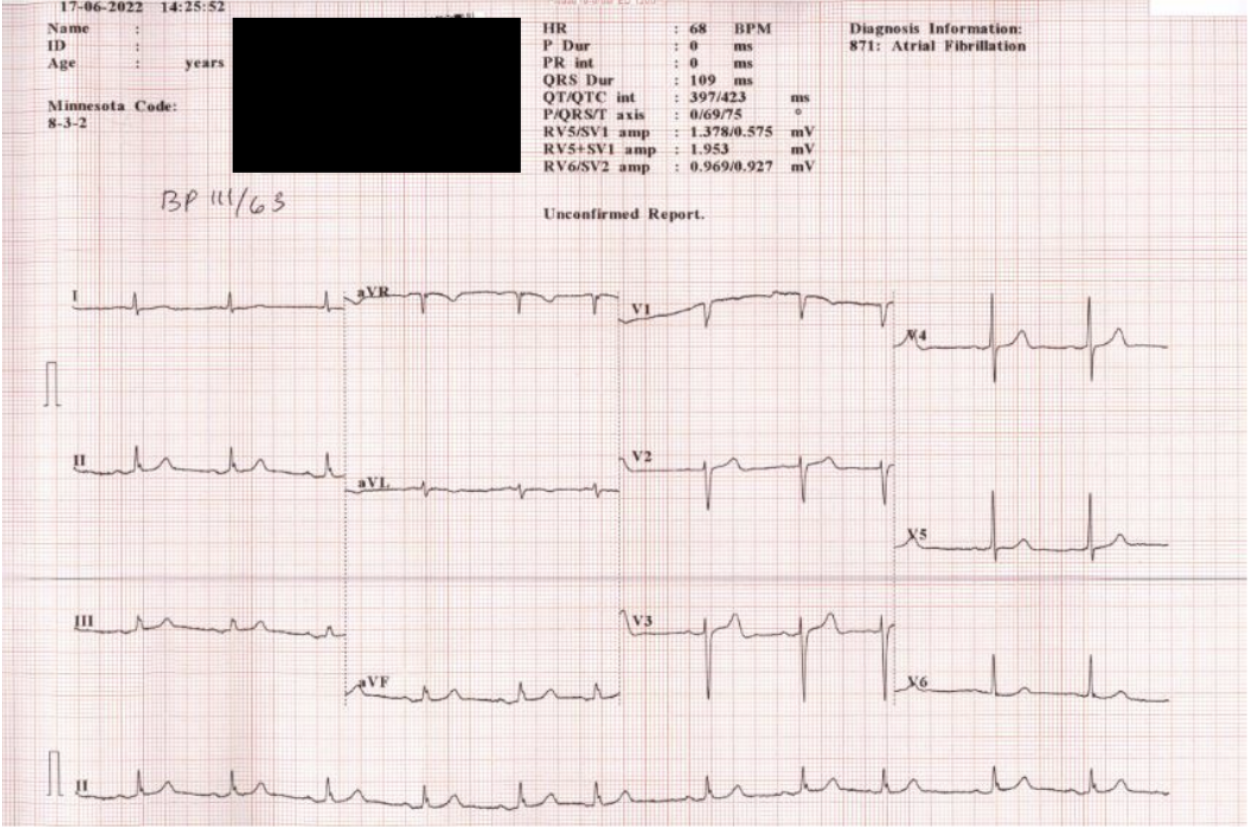
Atrial fibrillation (AF) is the most common form of arrhythmia. AF episodes can last from a few seconds to several days, and they may produce symptoms such as heart palpitations, shortness of breath, and tiredness. Although AF is not typically deadly, it can cause significant repercussions such as stroke, therefore it's critical to detect and treat the condition as soon as feasible. False positive AF detections are also an issue, in some cases resulting in needless drug usage, such as anticoagulants, which pose a number of risks to the patients when prescribed unnecessarily.

Whitepaper: Performance Reporting at PulseAI
At PulseAI, we are constantly looking for ways to improve our product. As engineers, we love to get stuck into the hard technical challenges, but we know that a huge part of our business is bridging the communication gap between AI and humans.
Our AI Principles state that AI should have its performance assessed in a representative way. This article aims to introduce you to how we assess AI performance at PulseAI for the different products we make. The aim is to empower our users to better understand what our reported model perfor- mance means in the real world, and to start a discussion around some of the more difficult topics.

AI-based ECG interpretation for Smartwatches
The Electrocardiogram (ECG) is one of the most used diagnostic tools in medicine globally. A key component of the complete clinical picture is an accurate ECG interpretation, which plays an essential role in patient management. ECG interpretation currently relies on visual assessment by skilled clinicians to recognise abnormalities. ECG interpretation is difficult for humans as it involves the ability to recognise subtle patterns and to have the visual acuity to recognise those patterns in real time. These are functions that humans traditionally struggle with but machines can excel at.

AI principles at PulseAI
At PulseAI, we strive to make a positive impact on patient care by enabling all doctors to access state-of-the-art decision support tools. We believe that artificial intelligence has the power to revolutionise healthcare by removing workload from physicians, reducing clinical errors and developing new systems for the diagnosis of disease. We understand that there are significant ethical challenges with AI technology, and we strive for responsible innovation in this field.

Dealing with ECG data overload with Artificial Intelligence
An ECG is a recording of the heart's electrical activity. The amount of ECG data being collected has increased dramatically in recent years with the advent of more sophisticated ECG monitoring devices and latest-generation smartwatches, which are able to record ECGs at any time. This increase in data production leads to significant challenges for both healthcare providers and patients when managing this data overload.