

Latest blog posts
Follow our blog to keep up-to-date

AI-powered healthcare via APIs: Enabling access to ECG diagnostics
Application programming interfaces, or APIs, are how software talks to other software. APIs have been used extensively across several industries, including finance, telecoms and consumer electronics. They allow the complexity of underlying systems to be abstracted away, enabling developers to integrate services in novel and useful ways. Consequently, APIs are key ingredients in most modern digital experiences. For example, Google APIs give developers access to a range of machine learning technologies for image classification and language translation. Amazon Web Services have also released its Rekognition API, which can identify objects and humans from image data.

Why Electrodes Matter: Skin-Electrolyte Interface
The largest source of artefact in the ECG signal is without a doubt the skin. Due to its sizeable impedance and unstable potential it can create many problems when recording ECGs. The electrode–electrolyte interface impedance is minimal in comparison with the large impedance of the skin.
Why Electrodes Matter: Electrode-Electrolyte Interface
An electrode system can be divided into two main components – the Electrode and the Electrolyte. Where the electrolyte meets the electrode surface, an interface known as the Electrode-Electrolyte Interface is formed. The characteristics of this interface are very important in the recording of a high quality electrocardiogram (ECG).
Why Electrodes Matter: ECG Artifacts
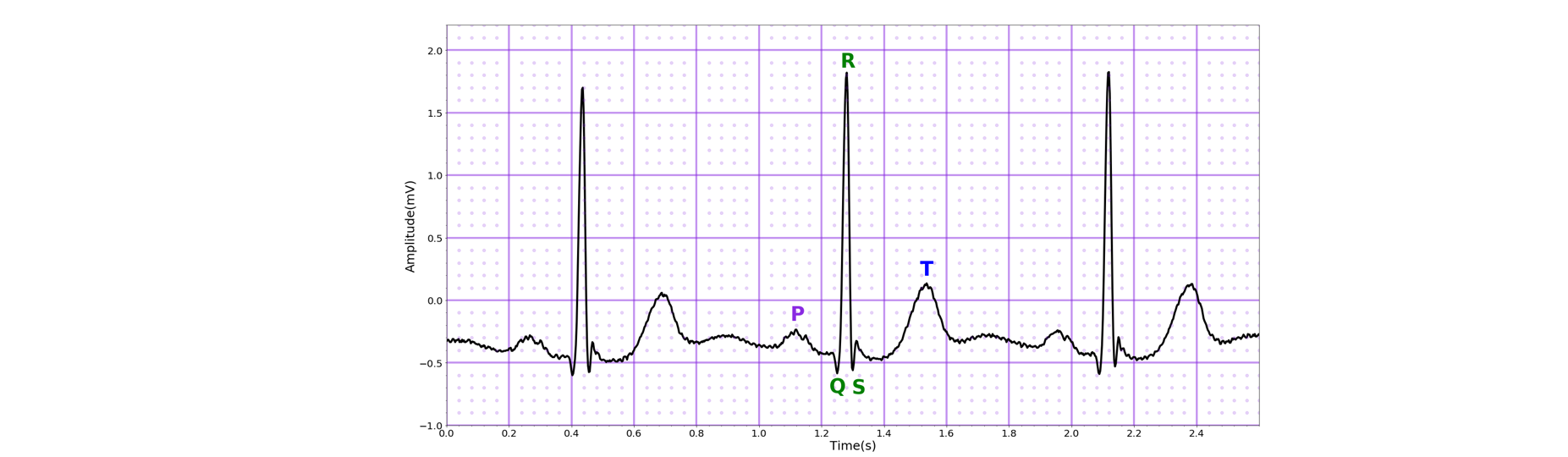
The electrode is a fundamental part of the electrocardiogram (ECG) system. It is the interface between the body and the measuring equipment that allows us to measure and record the ECG.
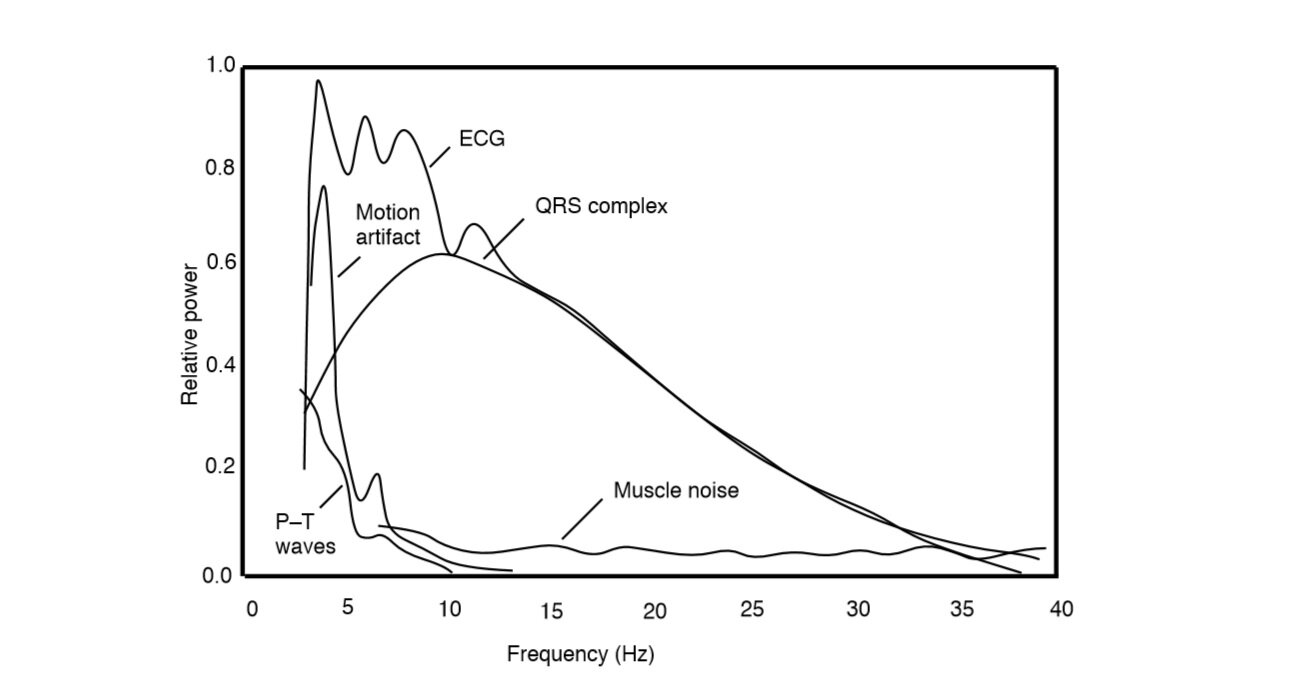
When recording the ECG, we experience artifacts that can be caused by mains noise, motion and potentials from other muscles. These sources of artifact can distort or attenuate the ECG and result in an increased number of false-positive alarms from automated ECG interpretation systems.